Making Tax Digital
Keeping you informed of the latest changes affecting landlords. At Howkins & Harrison, we believe that managing your property is abou...


In recent years, the landscape of letting properties in the UK has witnessed a significant shift, with a heightened focus on environmental sustainability and energy efficiency. One key aspect of this transformation is the evolving Energy Performance Certificate (EPC) requirements.
An Energy Performance Certificate is a document that outlines a property’s energy efficiency rating on a scale from A (most efficient) to G (least efficient). Previously, landlords were primarily concerned with obtaining an EPC for their property, but recent changes introduce more rigorous requirements.
In 2018, politicians introduced new Minimum Energy Efficiency Standards (MEES), requiring that private rental properties in England and Wales must attain a minimum EPC rating of E. The MEES requirements took effect on 1st April 2018 for new tenancies and 1st April 2020 for existing tenancies. Starting from these dates, rental properties falling below an EPC rating of E must undergo improvements to meet the stipulated EPC rating.
However, there is presently a maximum cost cap of £3,500 per property (including VAT). If property owners invest this amount in EPC rating enhancements and the property still fails to achieve an EPC rating of E or higher, the property qualifies for an exemption.
Currently, properties must have a rating of ‘E’ or higher. Starting from 31st December 2025, private rental properties in England and Wales must attain a minimum EPC rating of ‘C’.
If a privately rented property currently falls below a D rating, adjustments must be made to elevate the rating by this date to continue renting out the property. This requirement applies exclusively to new or renewing tenancies. The updated minimum energy efficiency standards will extend to all domestic tenancies, including existing ones, from 31st December 2028, unless a valid exemption is in place.
Landlords need to be aware that these changes don’t just apply to new tenancies; existing tenancies may also be affected. As regulations evolve, landlords should consider upgrading the energy efficiency of their properties to meet the required standards, especially when renewing existing tenancy agreements.
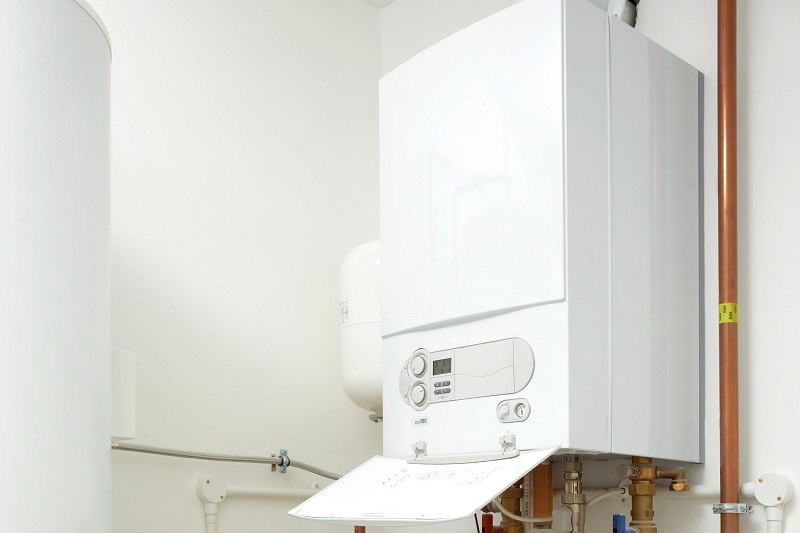
Meeting the minimum EPC requirements may involve some upfront costs for landlords. From improving insulation to upgrading heating systems, property owners need to assess the potential investments required to enhance their property’s energy efficiency. However, these investments can lead to long-term savings on energy bills and improved property values.
Given the complexity of energy efficiency improvements, landlords are encouraged to seek professional advice. Energy assessors can provide valuable insights into cost-effective measures to improve a property’s EPC rating, ensuring compliance with regulations while minimising financial impact. Managing agents will also be able to offer professional advice on home improvements in order to increase an EPC rating.
While changes to EPC requirements may pose initial challenges, they bring positive long-term benefits. Energy-efficient properties are not only more environmentally friendly but also appeal to a growing number of tenants who prioritise sustainable living and reduced household bills. Landlords can use this shift to their advantage by marketing energy-efficient features as a unique selling point.
The world of property regulations is ever evolving, and landlords must stay informed about any changes to EPC requirements. Regularly checking for updates and understanding how they impact property lettings will help landlords remain compliant and avoid potential legal issues.
As the UK progresses towards a more sustainable future, changes to EPC requirements play a pivotal role in shaping the rental property landscape. By understanding these changes, landlords can proactively adapt to new standards, ensuring not only legal compliance but also contributing to a more energy-efficient and eco-friendly housing sector.
If you are a landlord requiring professional advice on your rental property or portfolio with regards to EPC requirements, contact your local Howkins & Harrison office today. We can also put you in touch with trusted Energy Assessors.


Keeping you informed of the latest changes affecting landlords. At Howkins & Harrison, we believe that managing your property is abou...

Land at Dumble Farm, Castle Lane, Maxstoke, Coleshill, Birmingham, B46 2RB To Let by Informal Tender – Tender Date: 16th September ...

Land at Winwick Warren & West Haddon Extending to approx. 417.69 acres (169.04 ha) Tender Date: Monday 17th August at 5pm Available


"*" indicates required fields