Adrian Johnson Farm Dispersal Sale Report
Following his decision to retire from farming and travel the world with his wife, Adrian Johnson kindly instructed Howkins & Harrison to


Biodiversity Net Gain (BNG) stands as a crucial approach in efforts to address the escalating loss of biodiversity.
At its core, BNG refers to a development approach where the aim is not solely to maintain biodiversity at the current level but to improve it. It involves a quantifiable measure to ensure that the ecological value of a development site post-development is higher than before. It basically implies, improving nature rather than just leaving it as it was initially found.
Currently, developers/builders need to achieve a 10% increase in BNG in order for their development to obtain planning permission. This ensures that after a construction project, the natural habitat will be of higher quality or quantity compared to before the development.
In BNG, biodiversity is assessed using standardised units. A habitat holds a specific count of these units, determined by factors like its size, quality, and where it’s situated. Development may cause a loss of these units, while efforts to improve habitats can create more biodiversity units. The units are measured using a calculator called the ‘statutory biodiversity metric tool’.
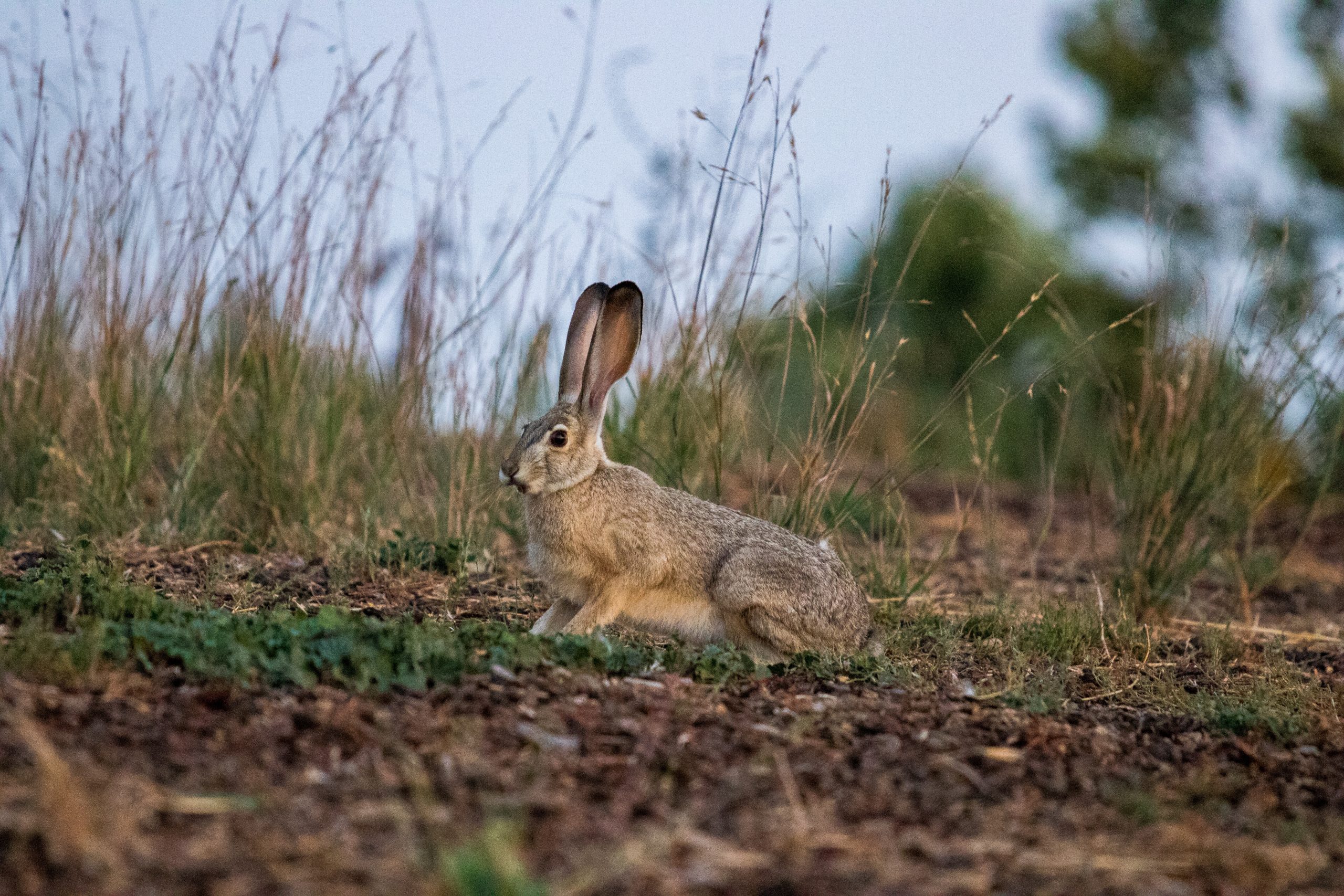
Ecosystems provide essential services, clean air, fresh water, fertile soils, and more. BNG guarantees the enhancement, not just the maintenance of these services. This way, securing a more sustainable future.
Through BNG, habitats are protected and restored, offering security for wildlife, and preventing a decline in potential species extinctions.
BNG helps ecosystems become stronger against climate change and other pressures on the environment. This makes them better at adapting and staying healthy in the long run.
The Government and developers are increasingly recognising the significance of BNG and integrating it into policies and projects. Various methods, such as habitat restoration, green infrastructure, and rewilding initiatives, are employed to achieve gains in biodiversity.
“In England, biodiversity net gain (BNG) is becoming mandatory under Schedule 7A of the Town and Country Planning Act 1990 (as inserted by Schedule 14 of the Environment Act 2021).” – Gov.uk
Because the mandatory principles of BNG don’t specify an increase in biodiversity value on the same geographical site, developers have more options, and it also allows landowners to capitalise on this new legislation.
Here’s a list of the organisations affected by the recently applied BNG regulations:
There are some developments that are exempt from BNG regulations such as small developments (prior to April 2024) and developments below the size threshold.

Biodiversity Net Gain is an ever changing journey. Some places already have rules in place that stipulate any new building site or project must enhance nature. But in other areas, they’re still working on implementing these rules or improving them. People are working together more to make new ways to measure nature’s value and problem solve to improve BNG overall.
Habitat restoration – Restoring landscapes, such as reforesting areas or rehabilitating damaged habitats.
Green development – Incorporating green spaces, such as parks and urban gardens.
Offsetting losses – When a development unavoidably impacts biodiversity, developers can reduce these effects by creating or restoring equivalent or greater habitats elsewhere, ensuring a net increase in biodiversity.
Biodiversity net gain offers a promising pathway towards harmonising development with the preservation of nature and wildlife. It’s a practical approach, crucial for safeguarding the plane’s biodiversity for future generations. Embracing BNG is not just an option, its an imperative step towards a sustainable and thriving future.
Howkins & Harrison can offer specialised assistance and advice with regards to Biodiversity net gain, to get in touch with us, please contact one of our rural offices.


Following his decision to retire from farming and travel the world with his wife, Adrian Johnson kindly instructed Howkins & Harrison to
The agricultural sector continues to evolve at pace. Changing policy frameworks, market pressures and the growing need for operational ef...

The winter of 2001 remains memorable, not only because the UK was dealing with the foot and mouth epidemic that significantly affected


"*" indicates required fields