PRS Database 2026: What Landlords Need to Know About the ...
Following months of discussion around the introduction of a new national landlord database, the Government has now confirmed when registr...


Since 1st April 2018, landlords have been prohibited from granting any new leases, to include extensions and renewals, on properties with an EPC rating below an E. There have, however, been some exemptions to this within the regulations.
The next deadline of the regulations, 1st April 2023 sees landlords legally stopped from continuing to let a property with an EPC rating below E unless for a valid exception, which must be registered.
There is a risk of a fine up to £150,000 along with other penalties for non-compliance. The MEES regulations do not have any impact on the validity of the letting or the tenant’s rights as a lease which is granted in breach of the regulations remains valid, but the landlord risks prosecution directly.
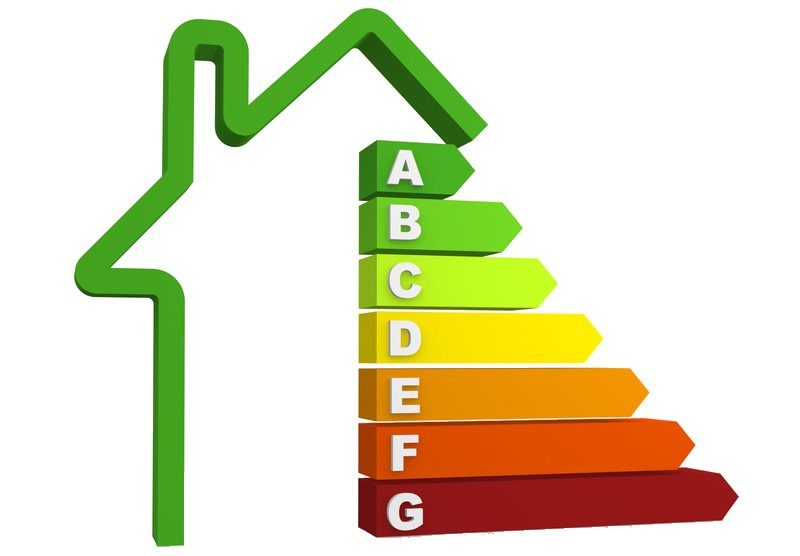
The aim of the MEES regulations is to achieve a minimum EPC rating of B on all let buildings by 2030. The deadlines for the coming years are summarised as follows:
At the start of each compliance window, a valid EPC will be required for presentation. It is expected under current guidance that this will be via an online PRS Compliance and Exemptions Database, allowing enforcement officials to be aware of sub-standard properties.
Each stage is followed by a two-year compliance window to allow for modifications ahead of the next deadline. Prior to each deadline, landlords must review their portfolio to identify any risk and create a plan of maintenance to ensure the deadline is achieved, minimising the chance of any enforcement action.
Propertes which do not have an EPC are exempt from the regulations. Such buildings include:
• Buildings which have no heating, mechanical ventilation, or air conditioning
• Properties which are to be demolished
• Listed buildings and buildings in a conservation area where compliance to an EPC rating would unacceptably alter the character or appearance
• Establishments used as places of worship and for religious activities
• A temporary structure with a time use for two-years maximum
• Industrial sites, workshops, non-residential agricultural premises with low energy demand
• Stand alone buildings with less than 50m 2 of total useful floor area
• Where all energy efficiency improvements have been made and the rating remains below an E
• The landlord requires tenant consent to complete the work and the consent cannot be obtained. Or there’s a third party consent required that can not be obtained. In both cases, the landlord must show that they have used reasonable endeavours to achieve the consent
• An independent surveyor’s review shows more than 5% of the value of the property would be required to achieve the required level.

If you are a landlord with either residential or non-residential property and would like to discuss your requirements under the MEES regulations, please contact our teams:
For commercial premises, please email commercial@howkinsandharrison.co.uk
For residential property, please email lettings@howkinsandharrison.co.uk


Following months of discussion around the introduction of a new national landlord database, the Government has now confirmed when registr...

Keeping you informed of the latest changes affecting landlords. At Howkins & Harrison, we believe that managing your property is abou...

Land at Dumble Farm, Castle Lane, Maxstoke, Coleshill, Birmingham, B46 2RB To Let by Informal Tender – Tender Date: 16th September ...


"*" indicates required fields