PRS Database 2026: What Landlords Need to Know About the ...
Following months of discussion around the introduction of a new national landlord database, the Government has now confirmed when registr...


When it comes to renting out your property, a well put together tenancy agreement is the key to a smooth and transparent tenancy. Knowing what to include in this document can save landlords from potential disputes and ensures a harmonious and hopefully longstanding tenancy.
Clearly state the names of the landlord(s) and tenant(s) involved in the agreement. Include their contact details and addresses. Any individual aged 18 or over who plans to live at the property must be identified and named as a tenant.
If the tenancy is going to be fully managed by a letting agent, the letting agent will sign on the landlord’s behalf.

Provide the full property address.
Specify the duration of the tenancy, whether it’s a fixed term (6 or 12 months) or a periodic tenancy. Include the start and end dates if applicable. Additionally, a clause about whether the tenancy can be ended early, and how this can be done, and any costs involved can be added.
Clearly outline the rent amount, due date, and the method of payment. Also, mention any penalties for late payments and the consequences of non-payment.
You could also include when you are likely to conduct a rent review.
Clearly state the amount of the security deposit and the terms for its return. Include details on any deductions that may be made and under what circumstances.
Ensure the details of how the deposit will be safeguarded are clearly outlined in this section. For instance, specify whether the TDS or DPS will register the deposit.
Make sure to protect the deposit through a government-backed scheme. To learn more about this, check out our blog on Tenancy Deposit Schemes via the link below.
Clearly define the responsibilities of both the landlord and the tenant. This includes maintenance, repairs, and any specific obligations related to the property, like expectations for the level of gardening.
For example, landlords are responsible for the property’s structure and exterior, gas appliances, electrical wiring etc.
Clearly outline the permitted uses of the property and specify any restrictions on activities. Include rules about subletting, if applicable.
Specify the utilities and services covered by the rent and those which the tenant is responsible for. As a result, this can prevent confusion and disagreements later.
Clearly state the conditions under which either party can terminate the tenancy and the required notice period. This helps manage expectations and ensures a smooth transition.
Include a space for all parties involved to sign and date the agreement. Signatures indicate consent and acknowledgment of the terms outlined in the tenancy agreement.
If you would like any help or support with your rental properties, our professional team is standing by to assist. Please contact your local office.


Following months of discussion around the introduction of a new national landlord database, the Government has now confirmed when registr...

Keeping you informed of the latest changes affecting landlords. At Howkins & Harrison, we believe that managing your property is abou...
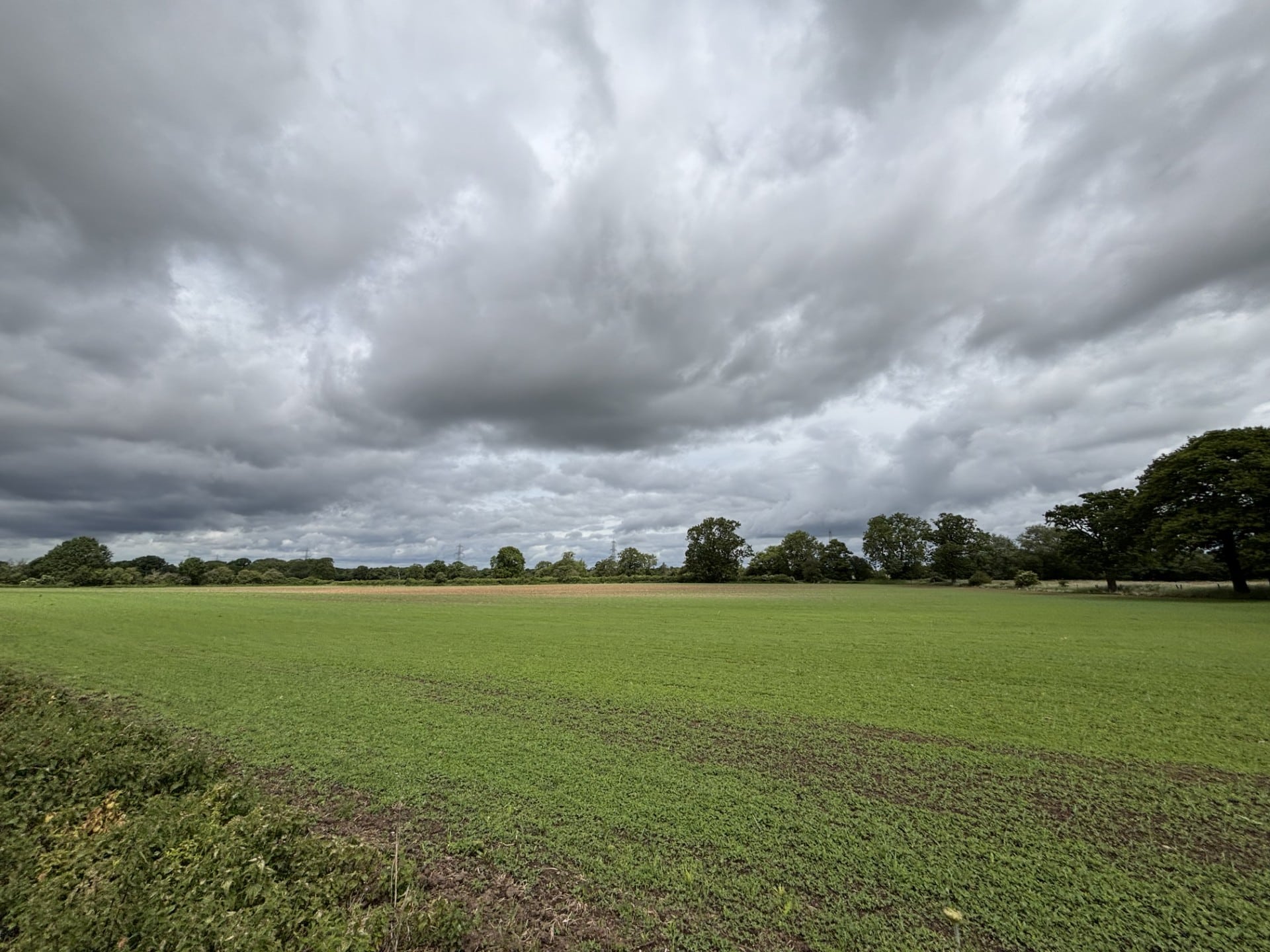
Land at Dumble Farm, Castle Lane, Maxstoke, Coleshill, Birmingham, B46 2RB To Let by Informal Tender – Tender Date: 16th September ...


"*" indicates required fields